

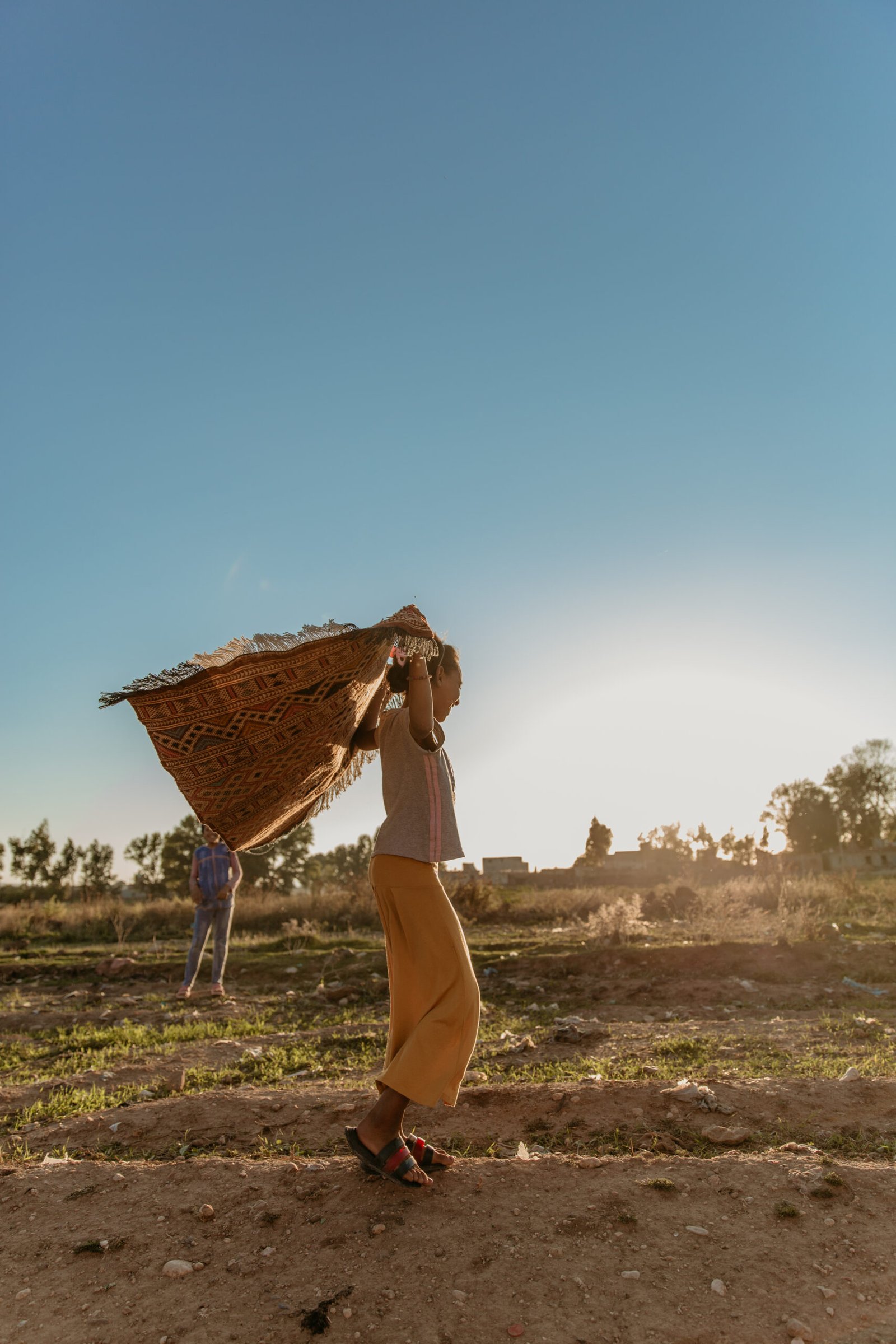

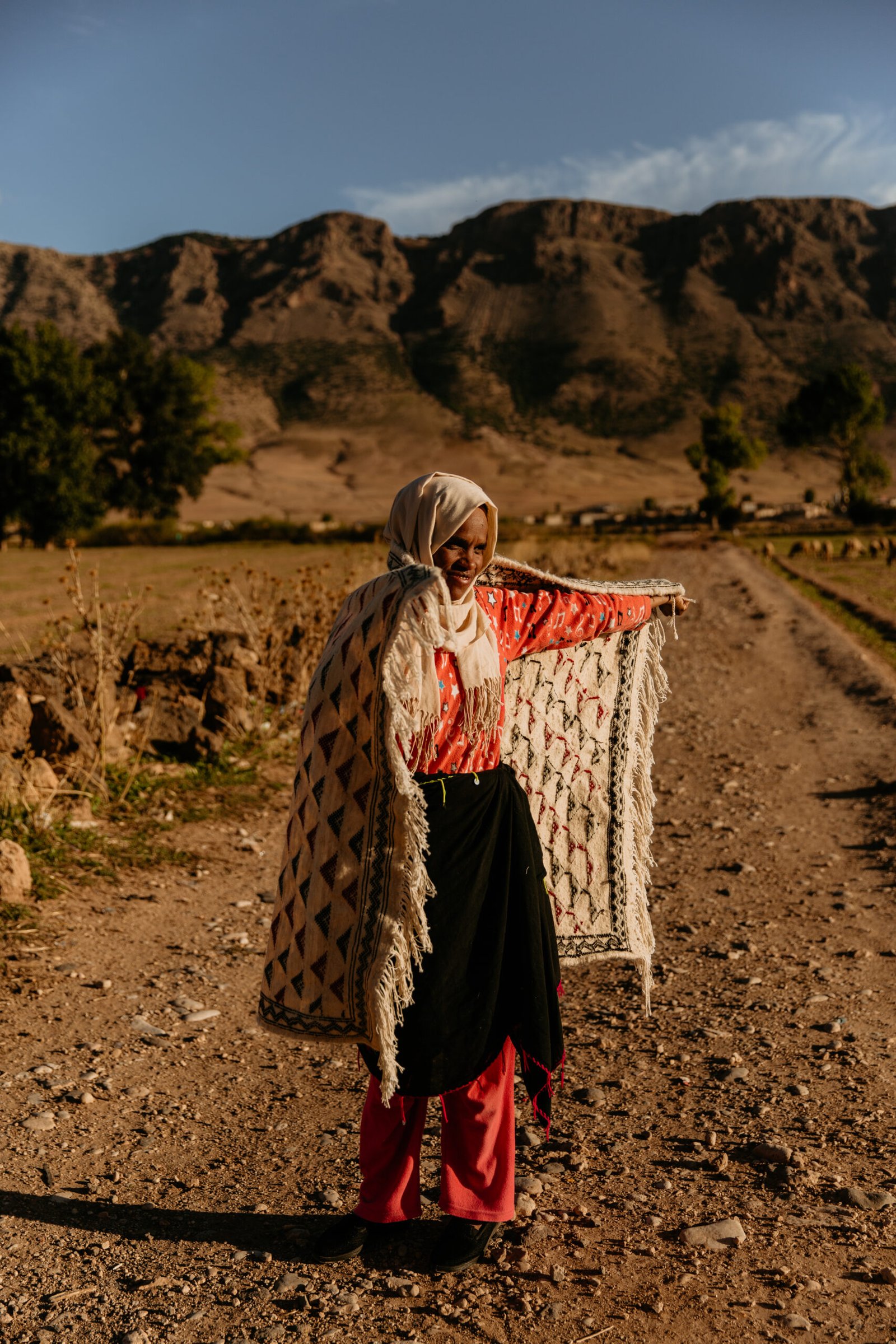
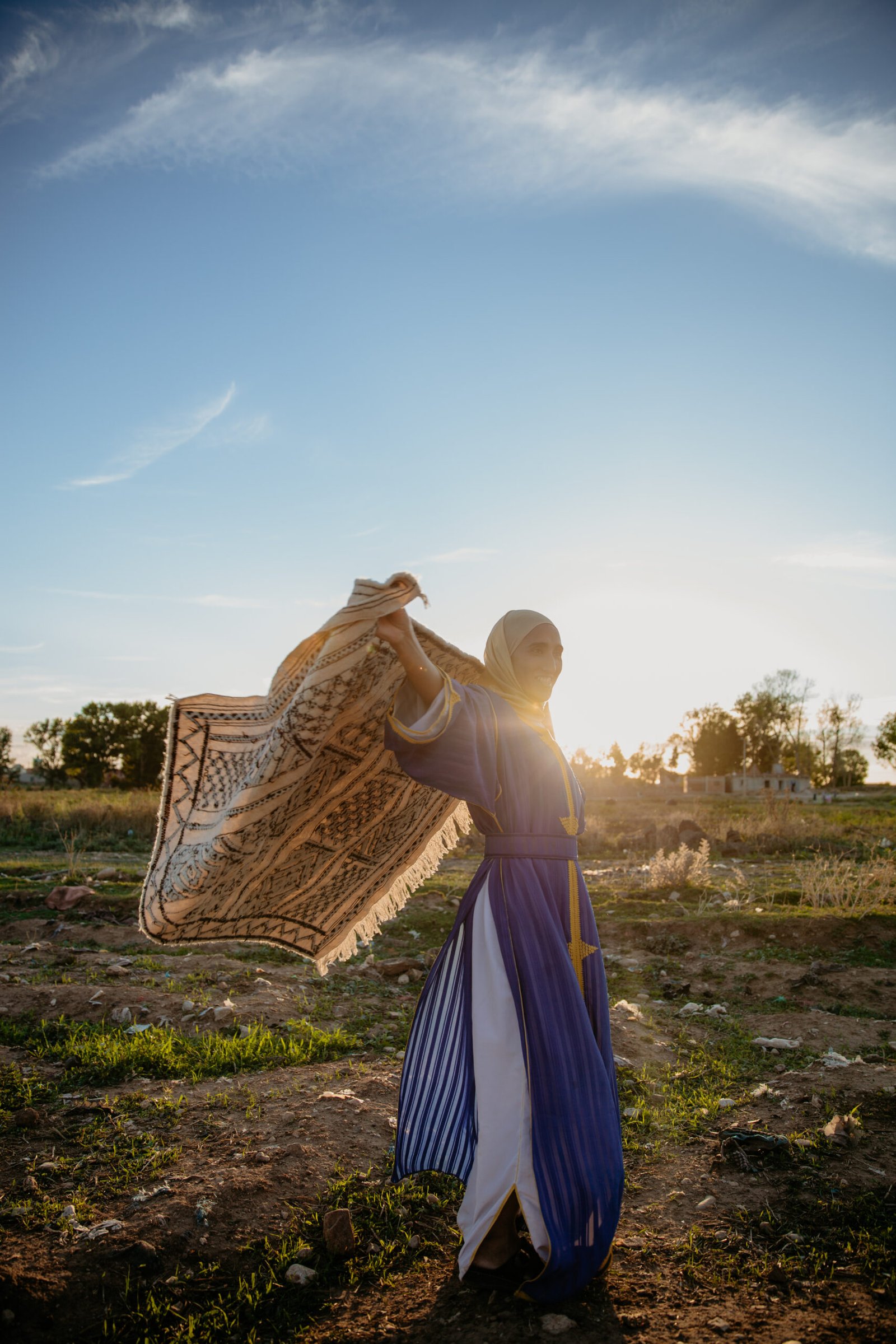
Every step of the weaving process carries meaning, reflecting centuries of tradition and artisanal knowledge. The designs and motifs woven into each rug tell stories of culture, heritage, and craftsmanship, preserving the legacy of generations of Moroccan artisans
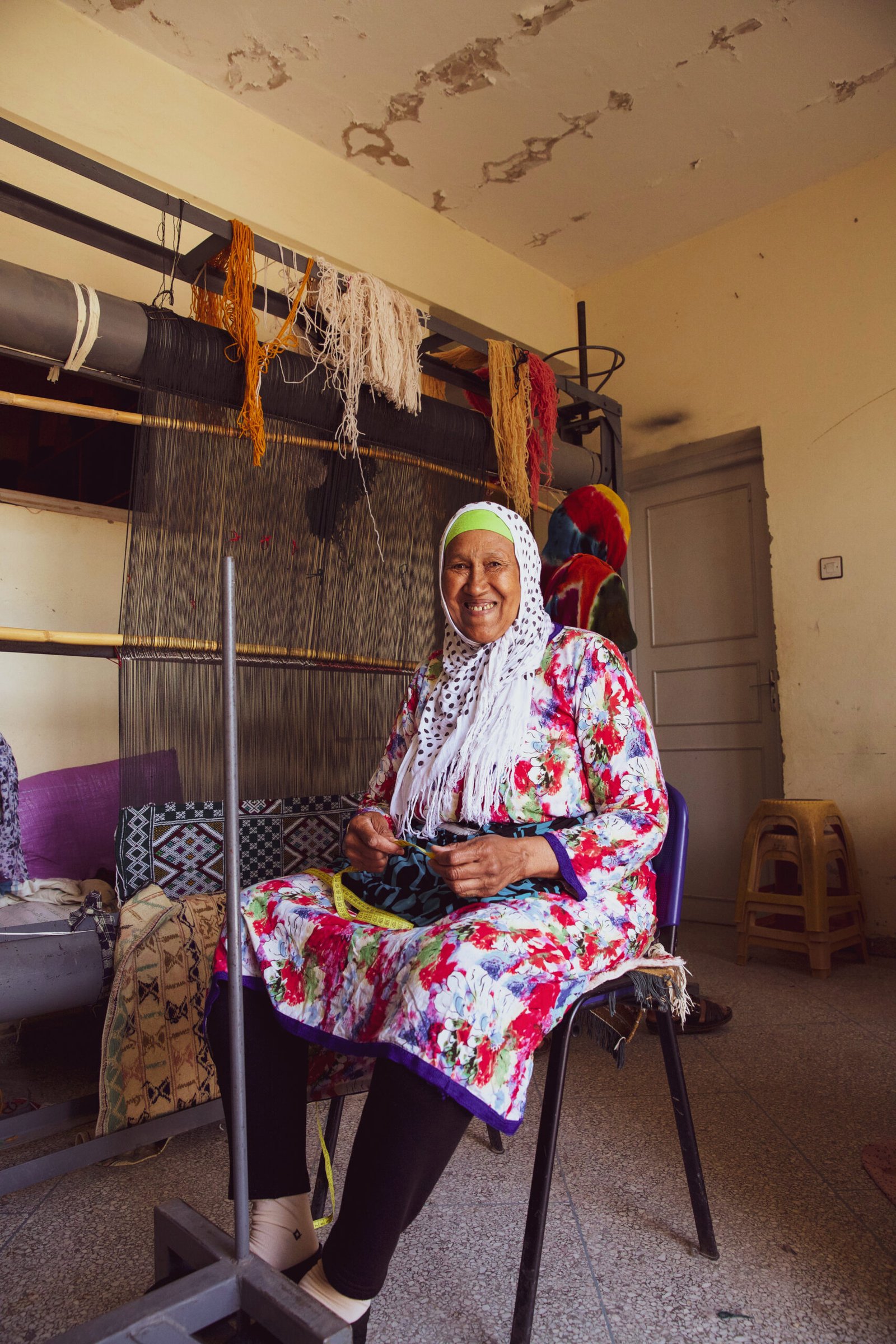
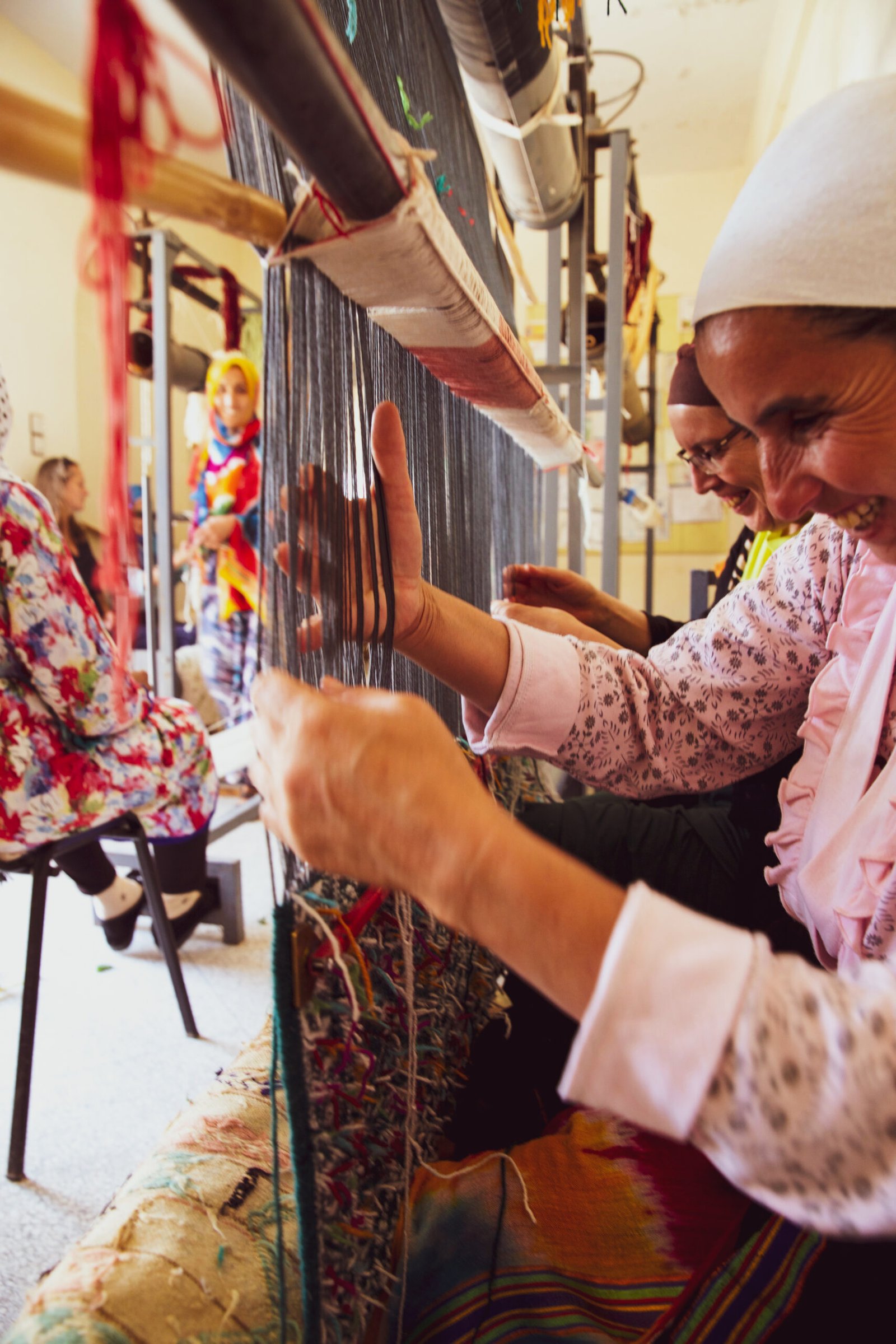
The artisan is at the heart of every Moroccan rug. She carries centuries of tradition and skill in her hands, carefully knotting yarn and pressing the weave with a hammer comb. Some artisans faithfully replicate traditional designs, preserving the legacy of their ancestors, while others blend these techniques with interior trends, creating pieces that reflect both heritage and contemporary vision.
Every step of the weaving process is meaningful. According to tradition, these textiles carry symbolic qualities, and certain motifs are believed to provide protection. These stories, passed down through generations, are woven into each rug, making every piece a reflection of heritage, expression, and craftsmanship.
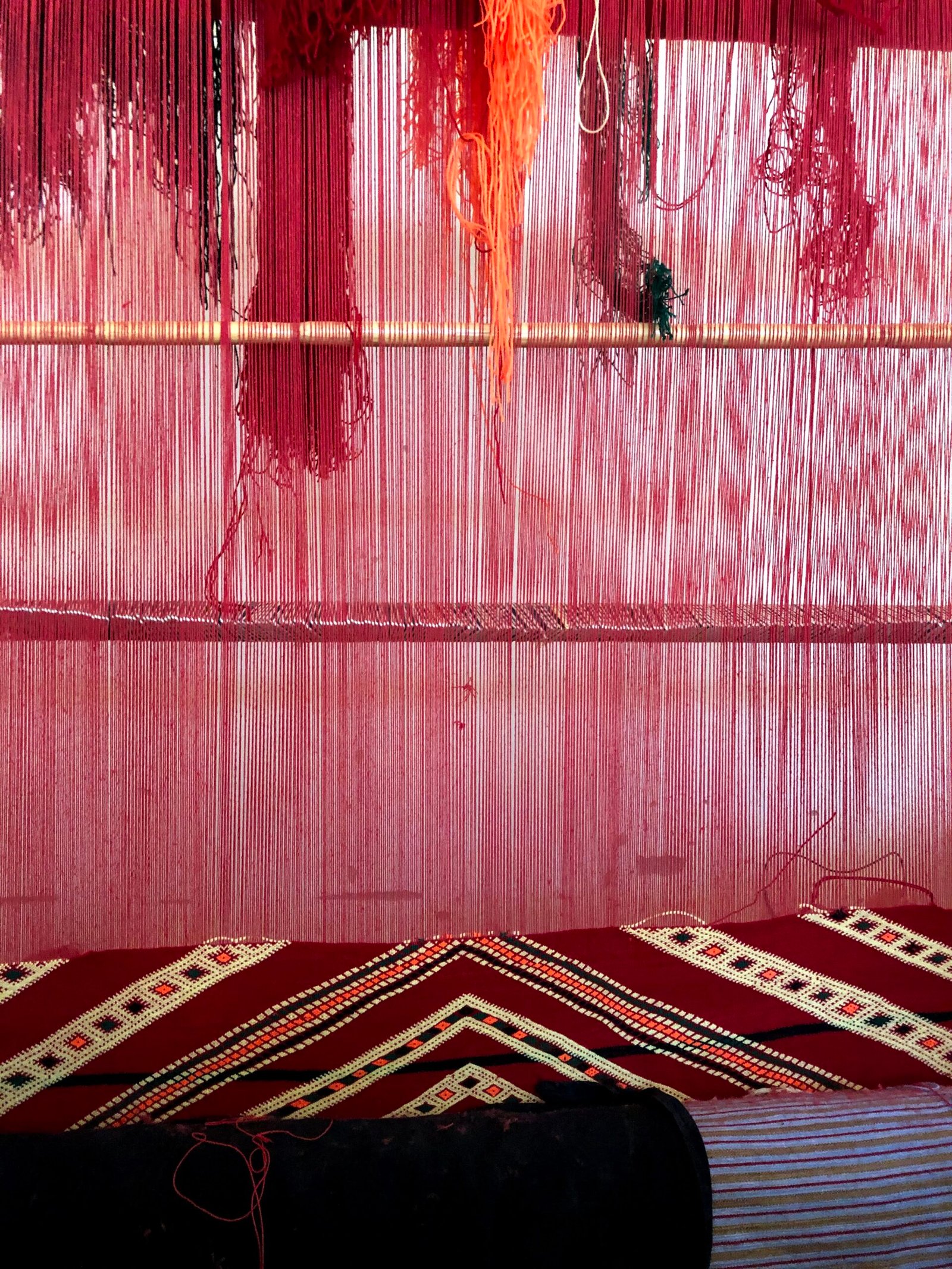
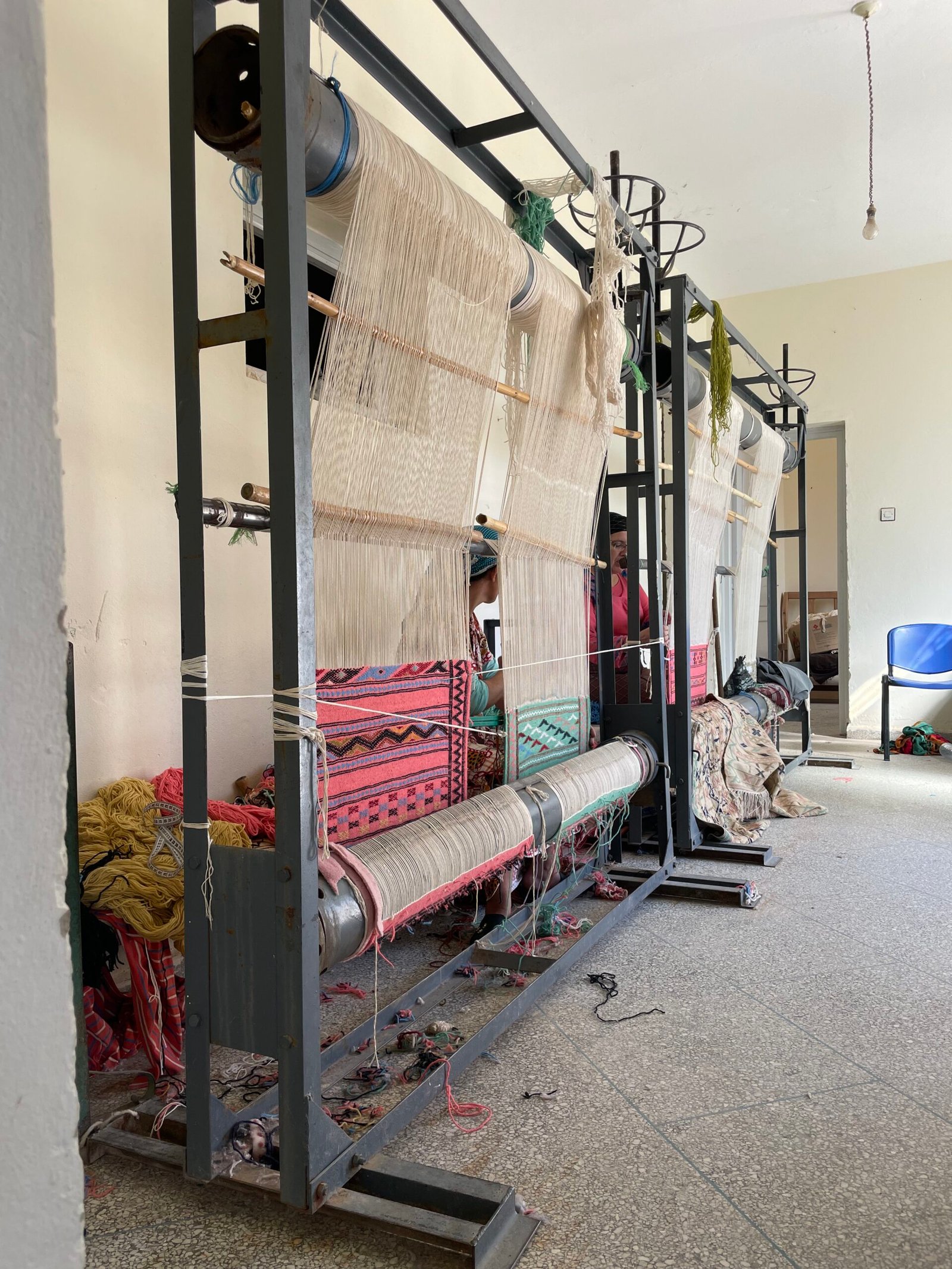
At our cooperative, each rug is crafted on a vertical loom, built and maintained by our artisans. This loom is the central tool in the weaving process, allowing our team to knot, align, and press the threads with precision. It transforms wool into handwoven rugs, supporting the skill of every artisan in our cooperative.
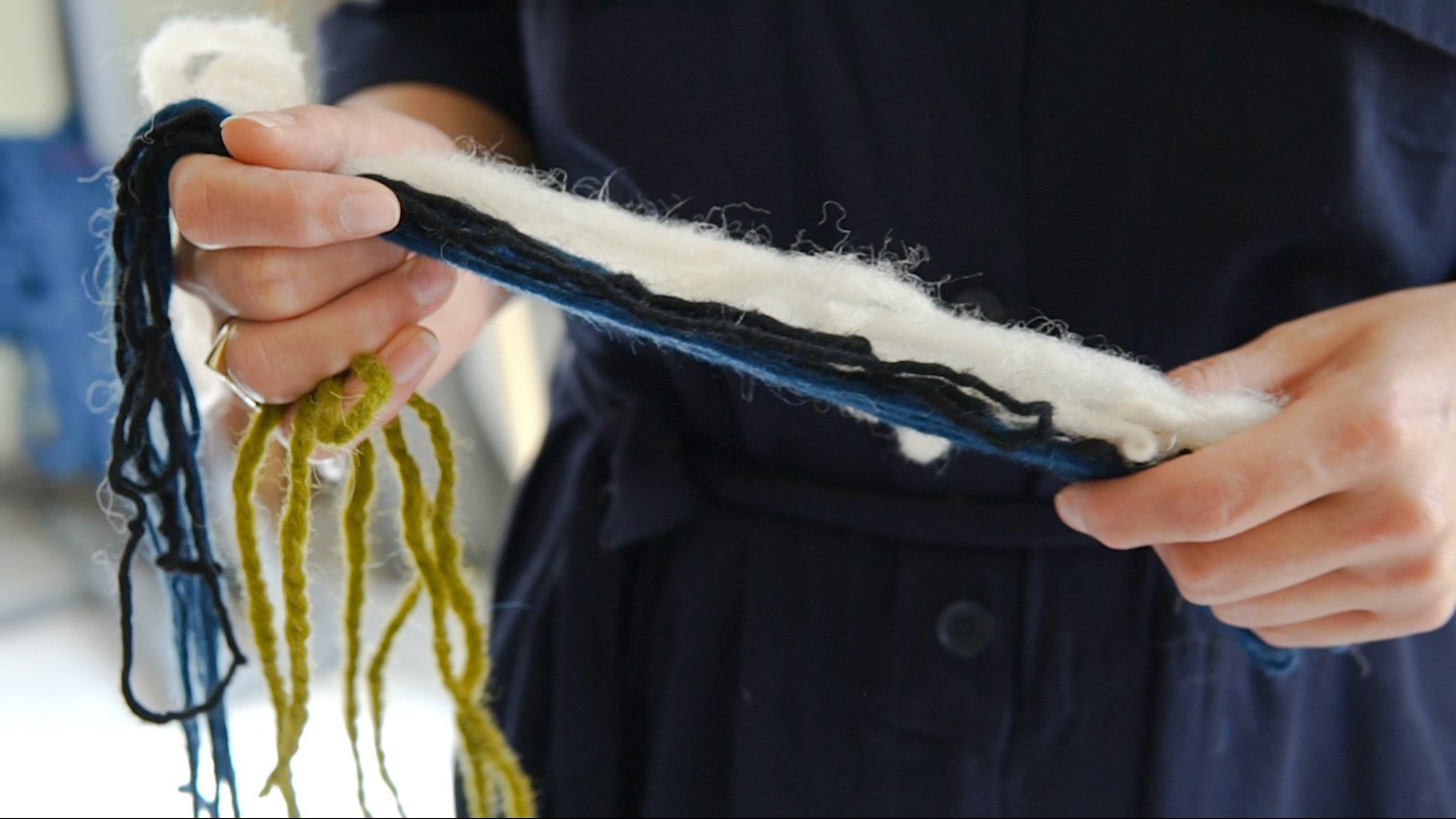
the wool used in each rug is carefully harvested from sheep, goats, or camels without harming the animals. It is then washed, dried, and hand-spun by our artisans. The wool is often dyed by hand using local herbs, plants, and spice blends, preserving traditional methods while producing vibrant, durable fibers for each rug.
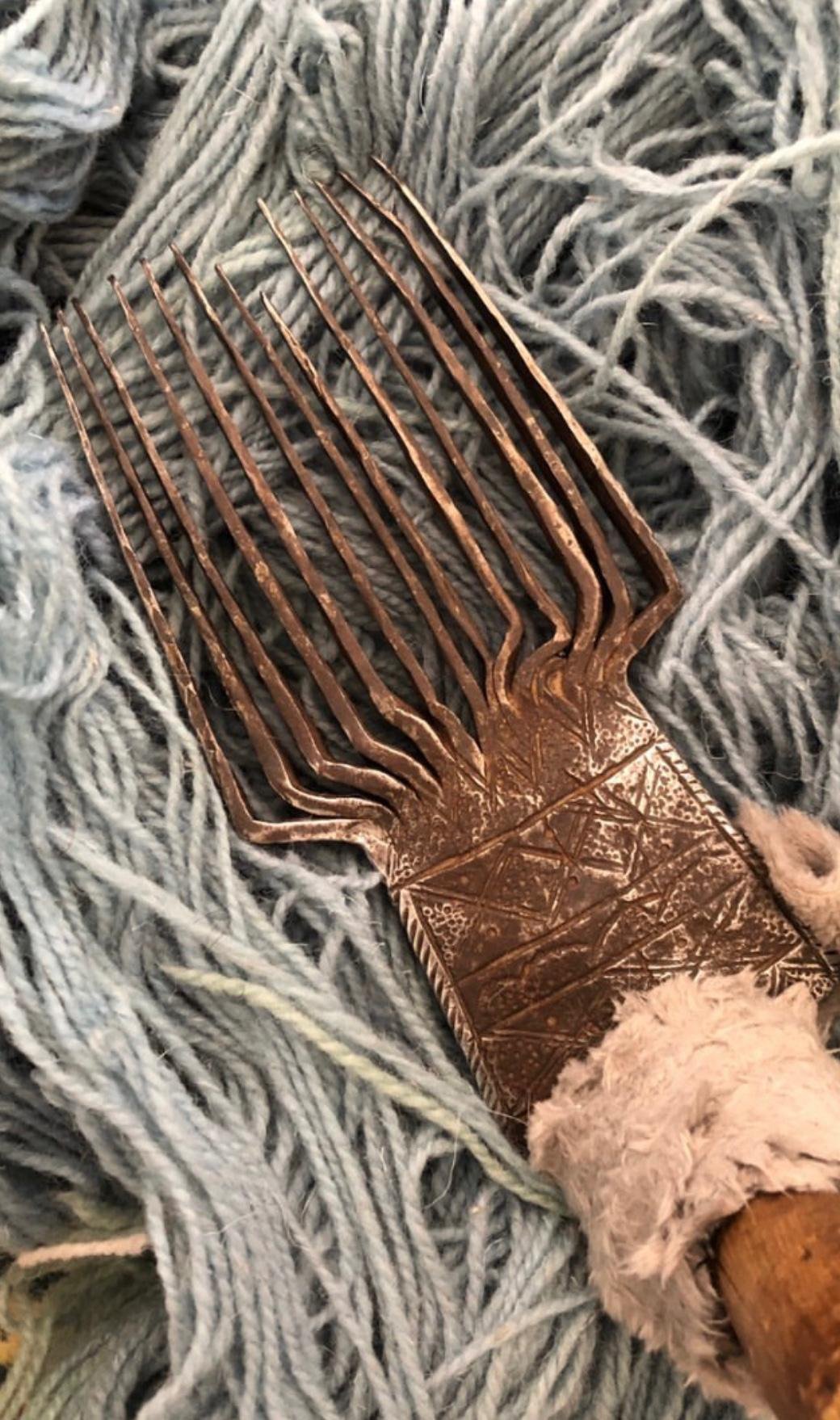
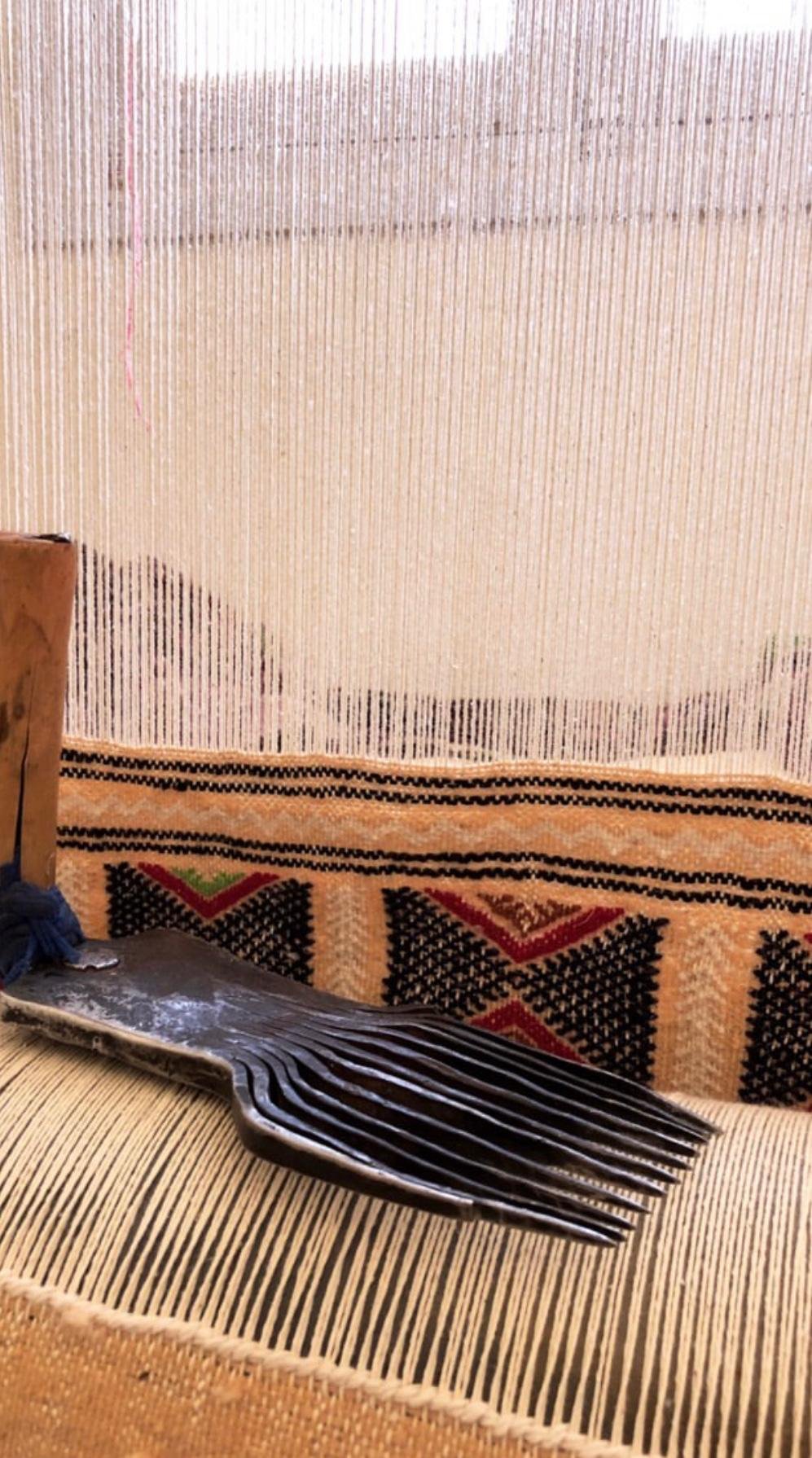
Hammer combs are essential tools in the weaving process. Often carved with intricate designs, they are used to press the threads tightly together, ensuring the weave is even and durable. These tools reflect the artisans’ skill and attention to detail, contributing to the quality of every handwoven rug.
In Moroccan culture, rugs have long been given as gestures of appreciation, respect, and love. Traditionally, it is customary for a bride’s family to either create or present a rug as a gift to the groom’s family. These practices highlight the significance of rugs and their role in celebrating milestones and relationships.