


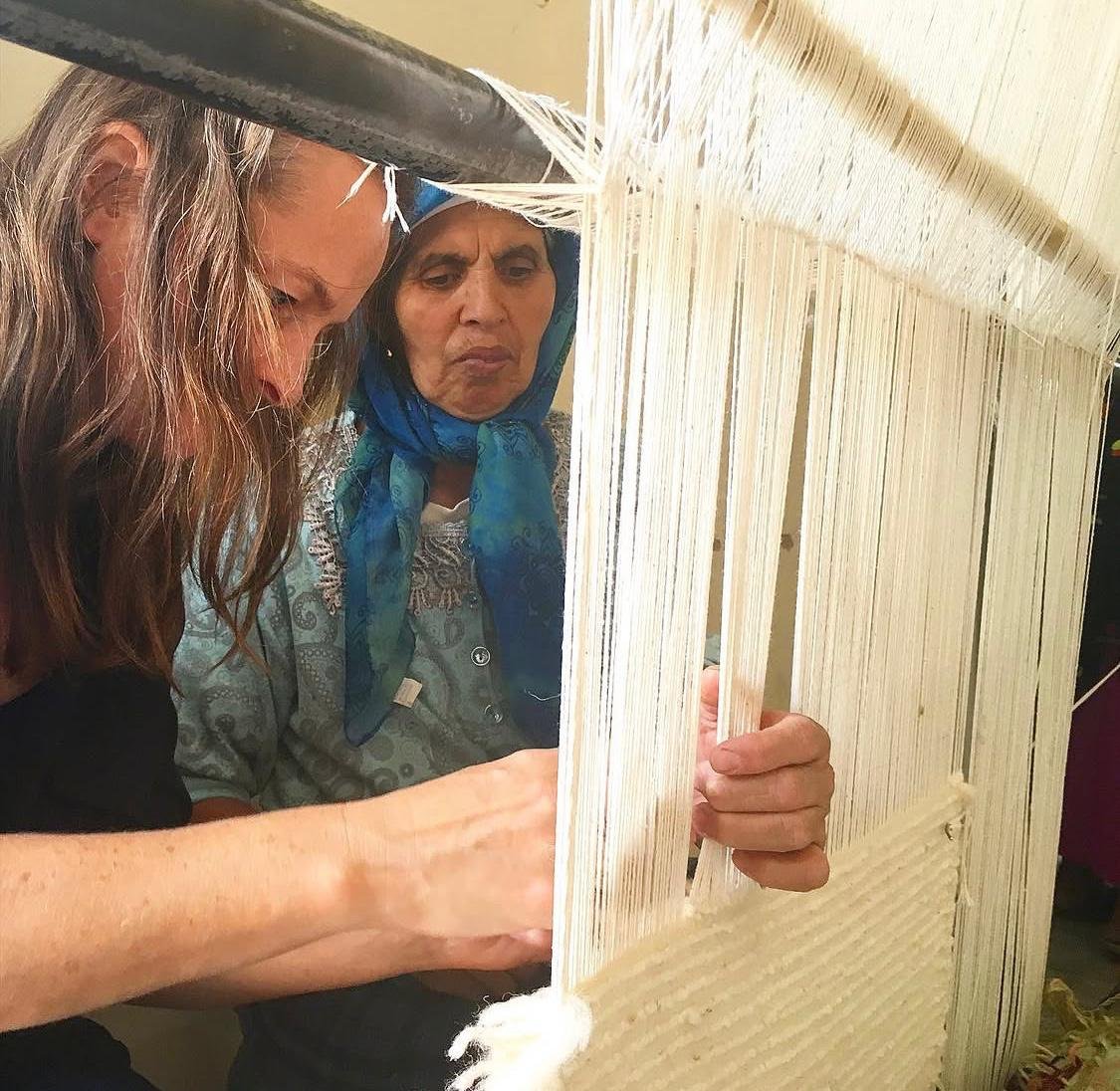
Beni Ouarain and Boucherouite rugs are frequently the first styles that come to mind when people think of Moroccan weaving, but they represent a small fraction of the diverse range of styles found throughout the country.
Every tribal region in Morocco has developed its own distinctive weaving traditions. Some artisans continue to replicate traditional designs, preserving cultural legacy, while others reinterpret methods through modern influences. This balance between tradition and innovation allows Moroccan rugs to reflect ancestral knowledge and contemporary artistic vision.
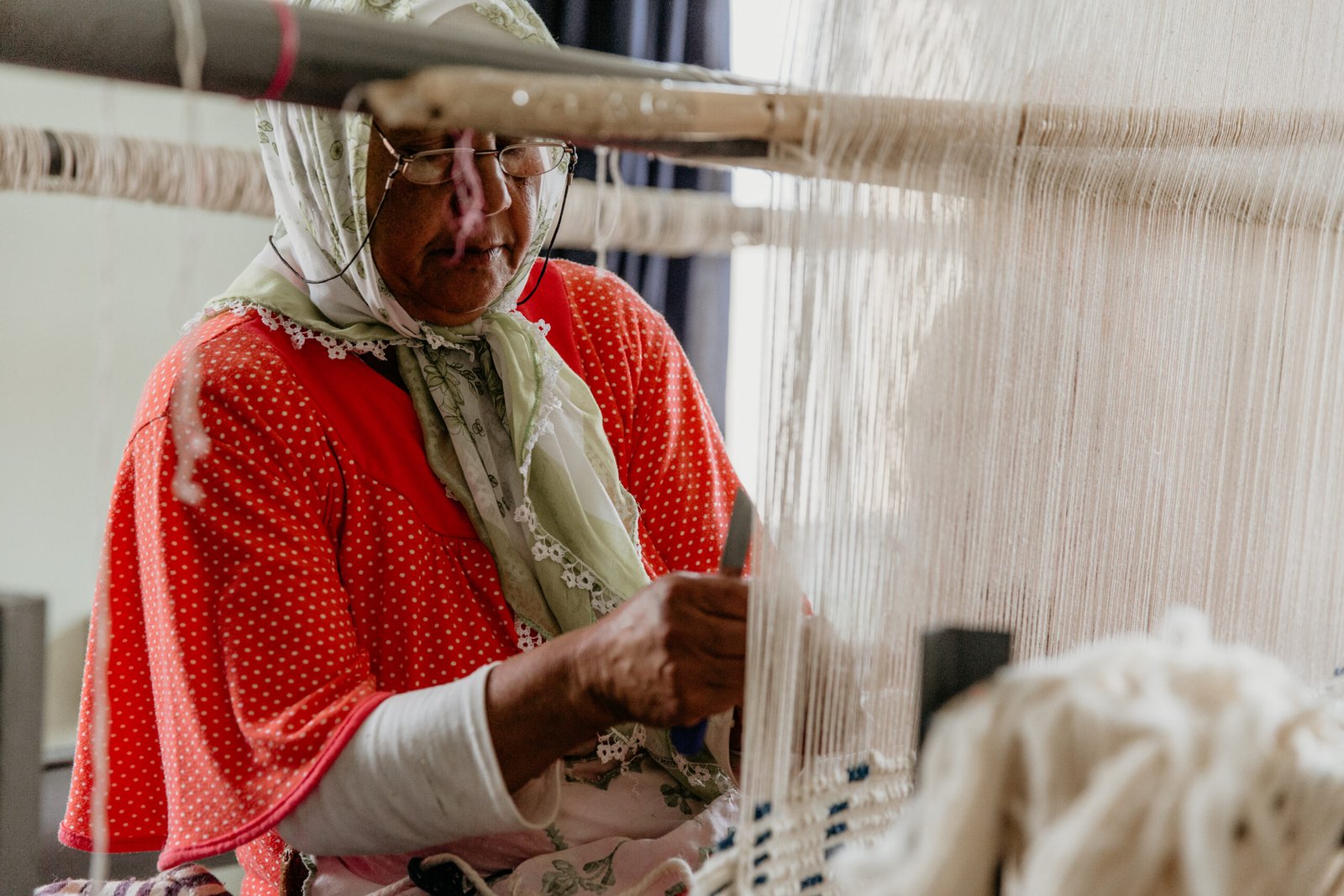
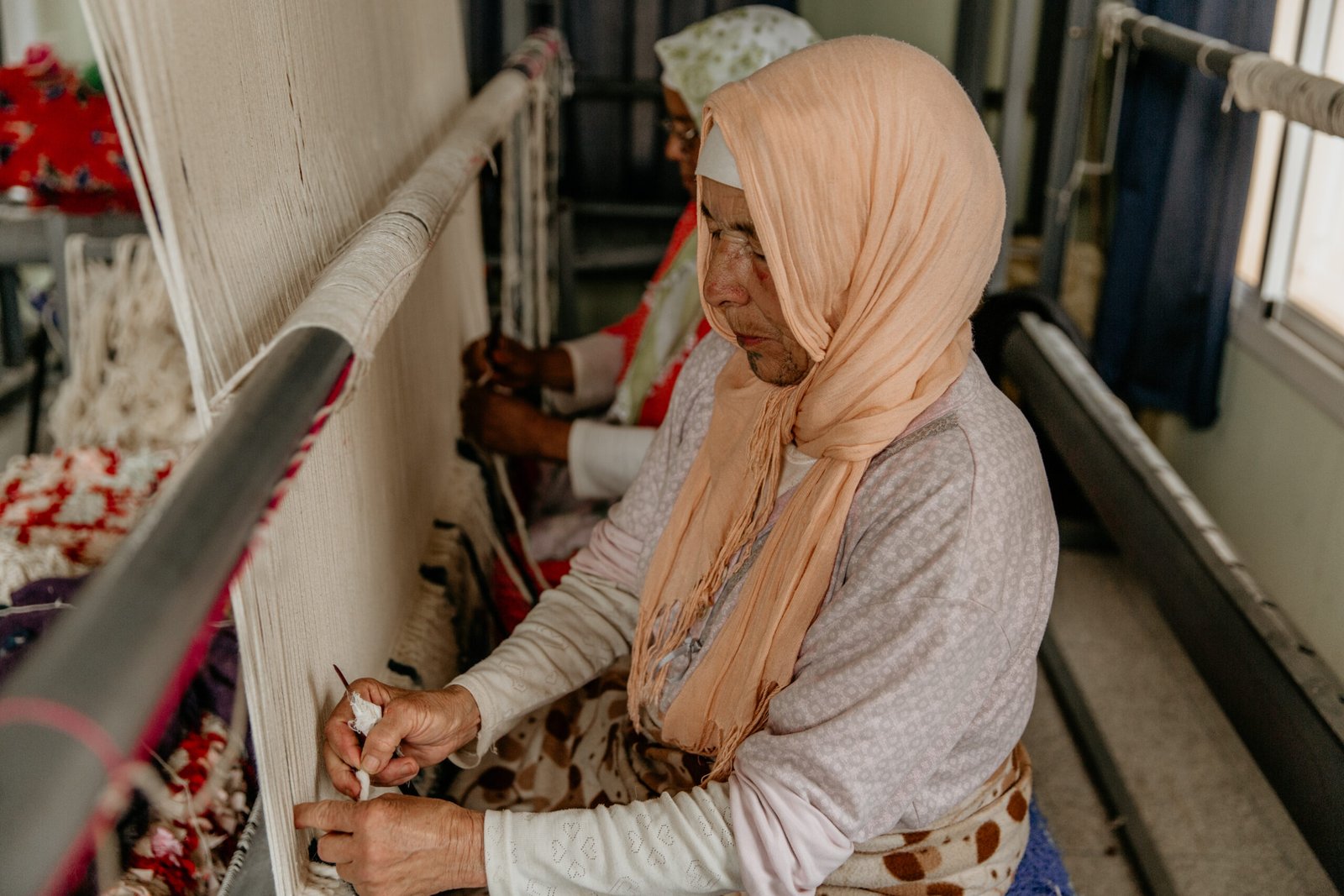
Rugs from the Middle Atlas Mountains of Morocco are deeply connected to the daily life and traditions of the region. Handwoven by local artisans, these rugs reflect techniques, patterns, and symbols passed down through generations. The weaving styles of the Middle Atlas developed in response to the mountainous climate, available materials, and community customs.
Middle Atlas rugs are traditionally made using local wool from sheep raised in the surrounding areas. The wool is washed, hand-spun, and woven on traditional looms. Depending on the village, rugs may be thicker for colder environments or flatwoven for everyday household use.
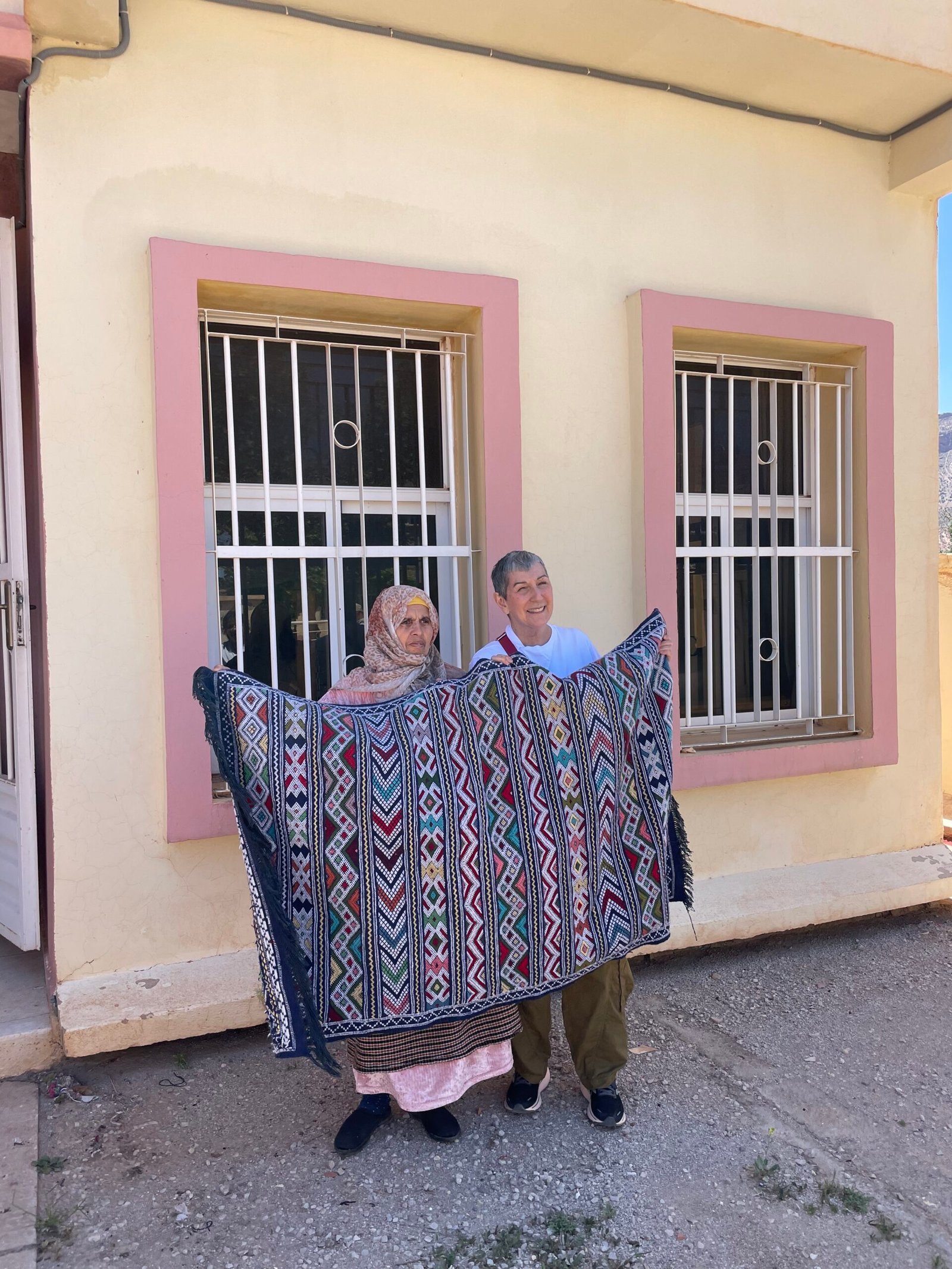
Designs from the Middle Atlas often feature geometric patterns, repeated motifs, and culturally significant symbols. These symbols are part of a visual language shared within weaving communities and are traditionally associated with themes such as family life, nature, and daily experiences. While interpretations may vary by artisan, the symbols help distinguish Middle Atlas rugs from those woven in other parts of Morocco.
Beni Ouarain: Features geometric patterns and neutral tones, reflecting the traditional style of the region.
Azilal: Defined by colors and expressive designs that showcase the creativity of Middle Atlas artisans.
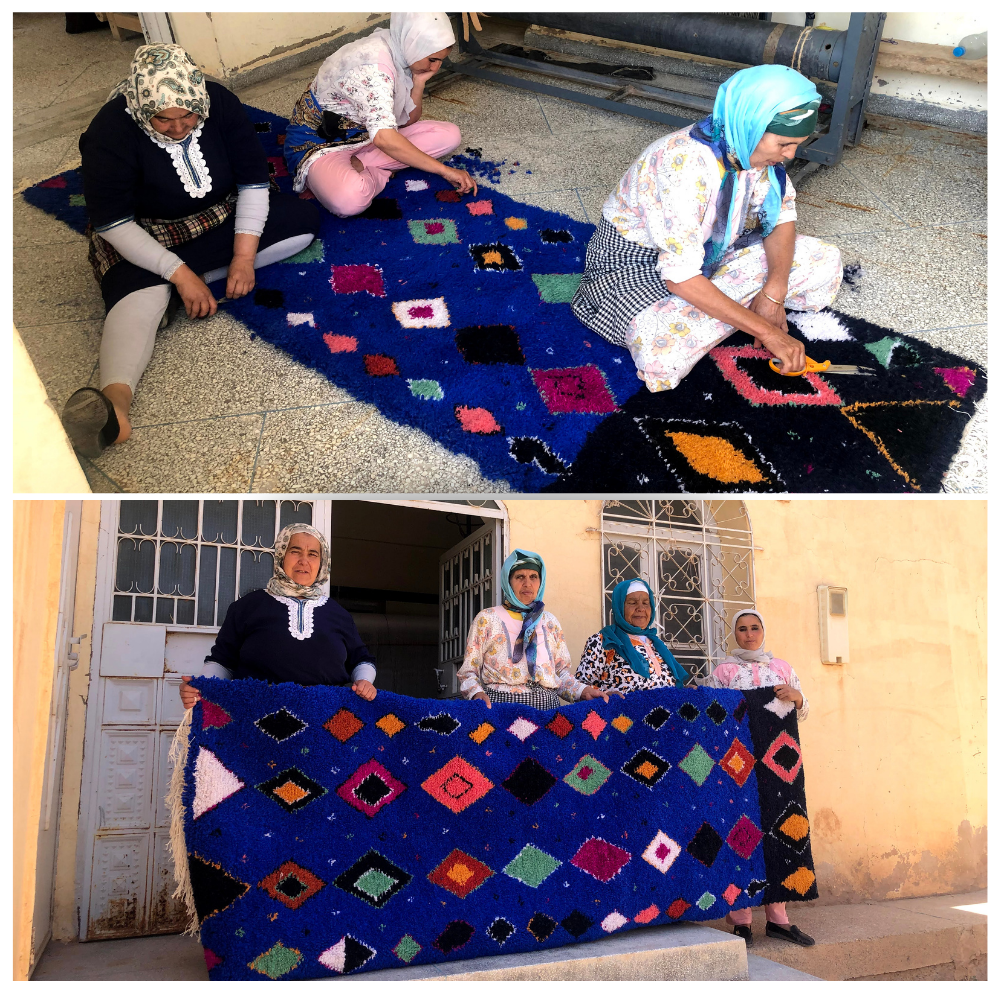
Boucherouite: Crafted with mixed textiles during periods of limited wool, demonstrating adaptability and inventive weaving techniques.
Traditional Moroccan rugs feature a symbolic vocabulary. Common motifs include:
Lion’s Paw: A symbol of strength and protection.
Flower: A symbol of protection against the evil eye.
Eye: A symbol to guard against negativity.
Bird: Represents positivity or blessing.
Sickle: A symbol of respect.
Seed: A symbol of fertility.
Finger: A symbol of protection.
Good Luck Charm: A symbol of protection and luck.
Barley: A symbol of fertility.
Spider: A symbol associated with fertility and creativity.
Through these motifs, weavers communicated aspects of daily life, beliefs, and personal or communal experiences. Rugs also served practical purposes—as floor coverings, bedding, blankets, or seating—integrating them into everyday life.
Our collection features rugs and textiles handwoven by artisans in the Middle Atlas, reflecting the region’s traditional techniques, materials, and designs:
Beni Mrirt Rugs: Handwoven in the Beni Mrirt region, these rugs feature geometric patterns and color palettes. Each rug reflects craftsmanship and traditional weaving methods, highlighting the skill of local artisans.
Boujaad Moroccan Runners: Originating from the Boujaad region, these runners display geometric patterns and colors. They are handwoven to balance durability with expression.
Boujad Flatweave Wool Rugs: Produced in the Middle Atlas, flatweave rugs are made using locally sourced wool. The flatweave technique creates rugs suitable for a variety of interior spaces while showcasing traditional weaving styles.
Moroccan Geometric Wool Pillow Covers: Handwoven in the Middle Atlas, these pillow covers feature geometric designs and colors. They highlight the creativity and skill of local artisans while preserving traditional weaving techniques.
Each piece in our collection reflects the materials, techniques, and symbolic patterns that define Middle Atlas weaving traditions, offering a connection to the heritage and craftsmanship of this Moroccan region.