

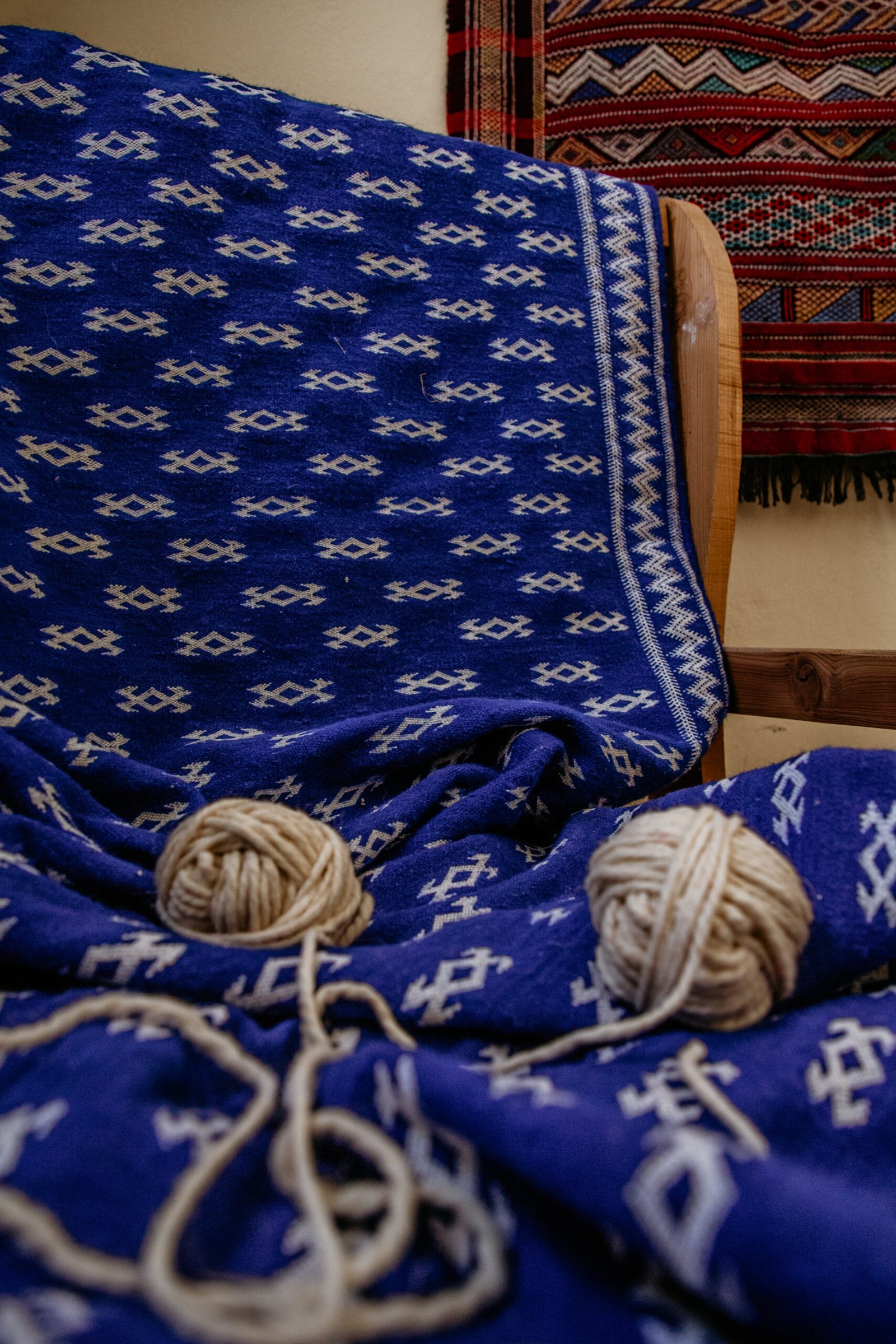

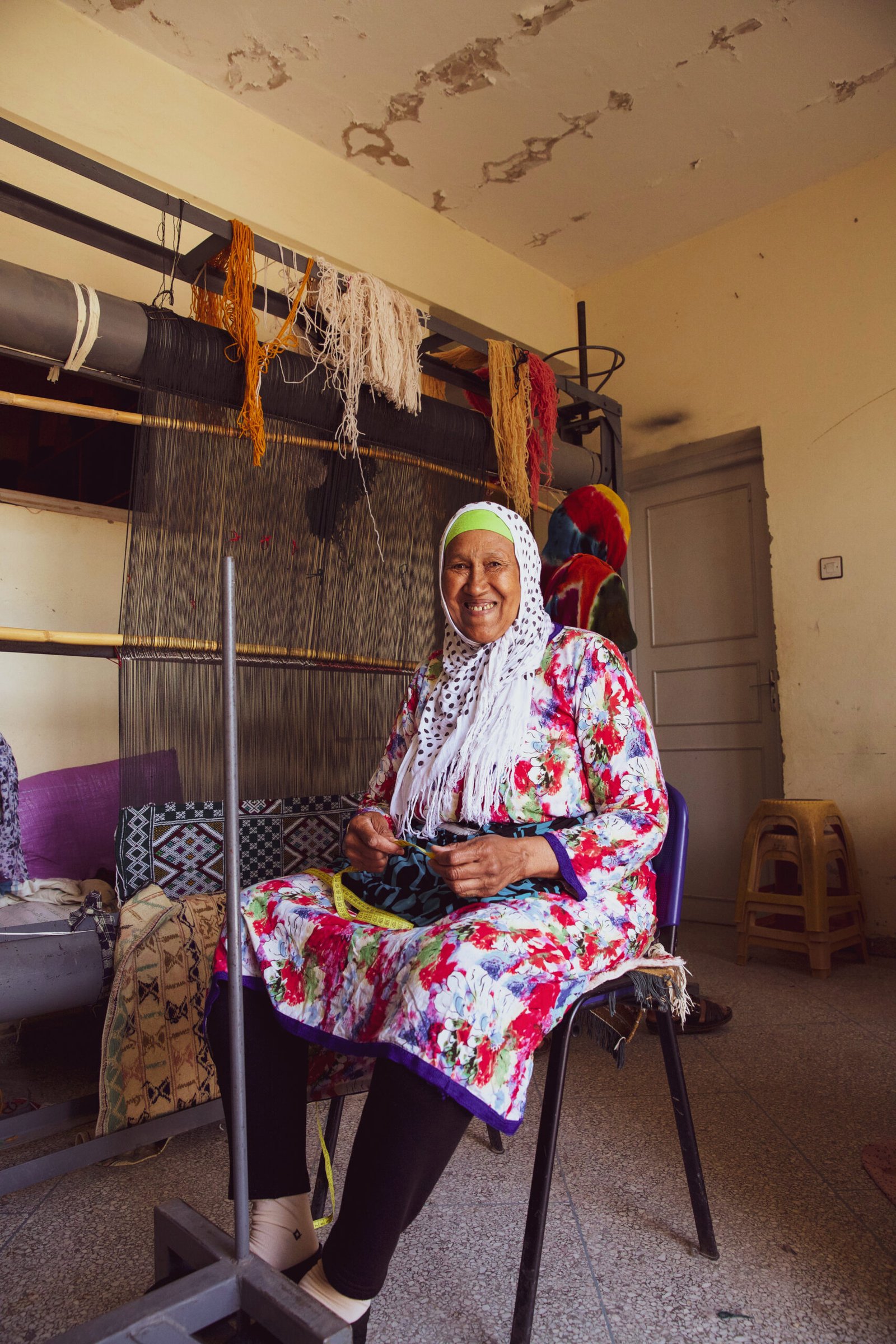
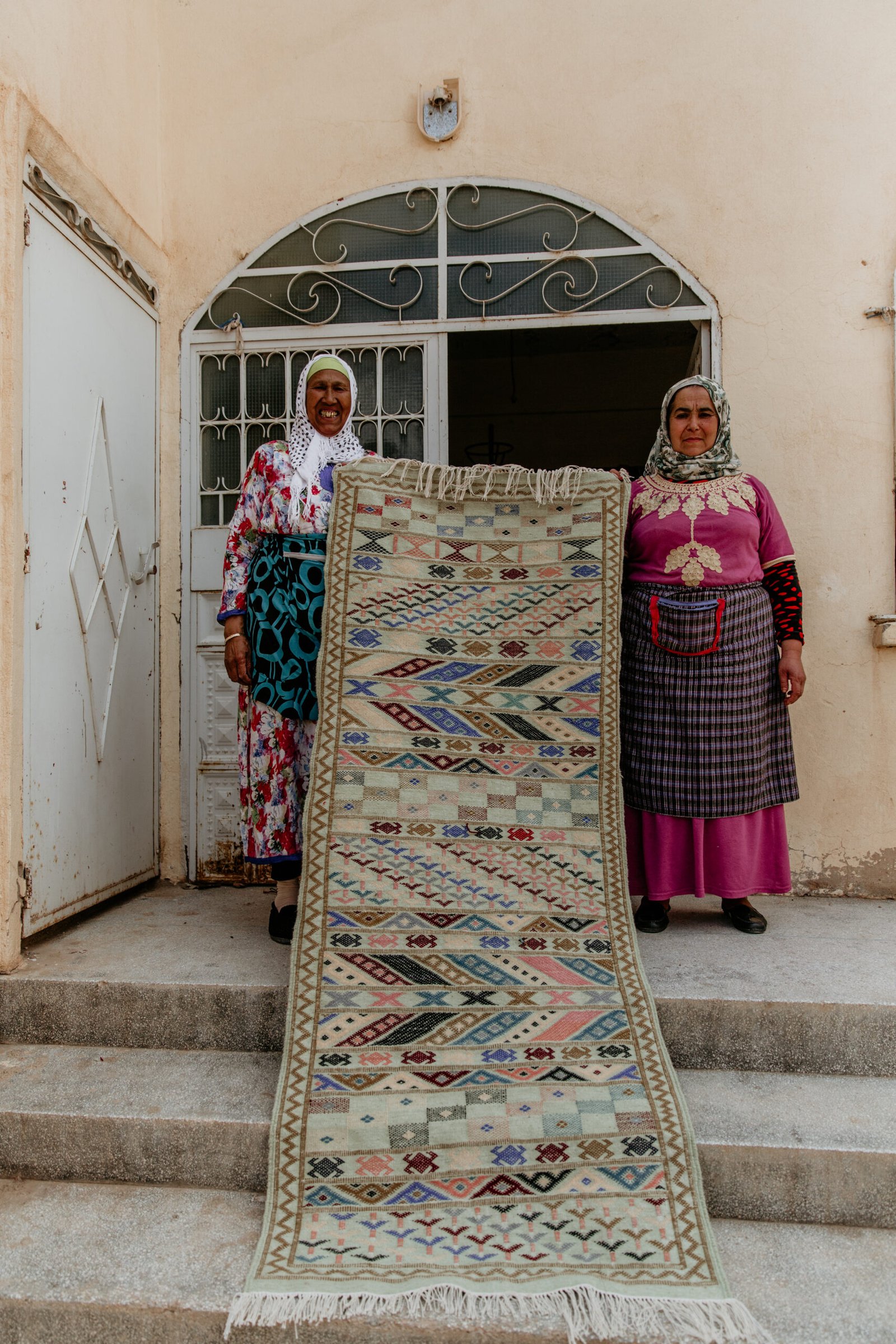
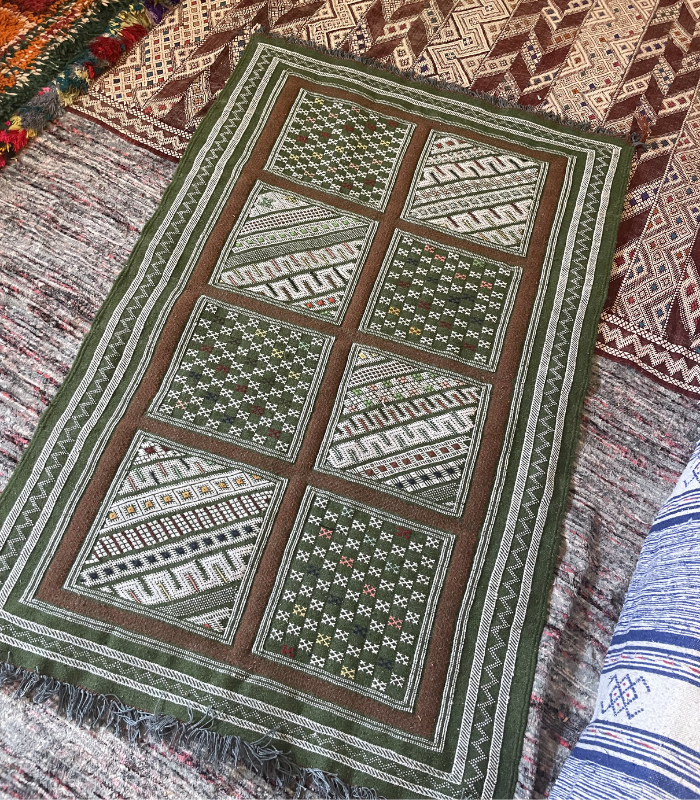
Amazigh women have preserved the tradition of handweaving textiles for generations, passing their knowledge and skills from one generation to the next. ach step of the weaving process is rich with tradition and meaning; from harvesting and dyeing the wool, constructing the loom, to the final design of the weave.
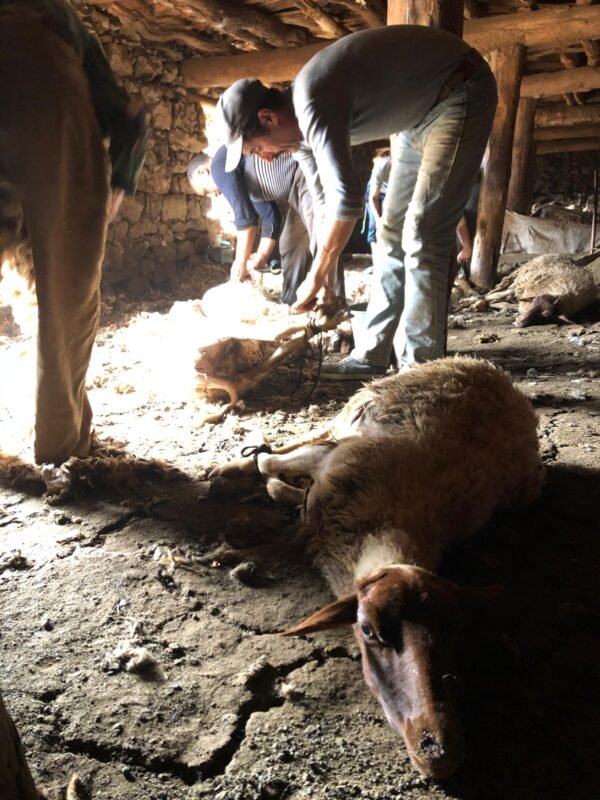
Our rugs are made with sheep, goat, or camel wool. Our artisans use “Natural Wool” which means the wool is taken from live animals, without harm. The wool is healthier and stronger this way.
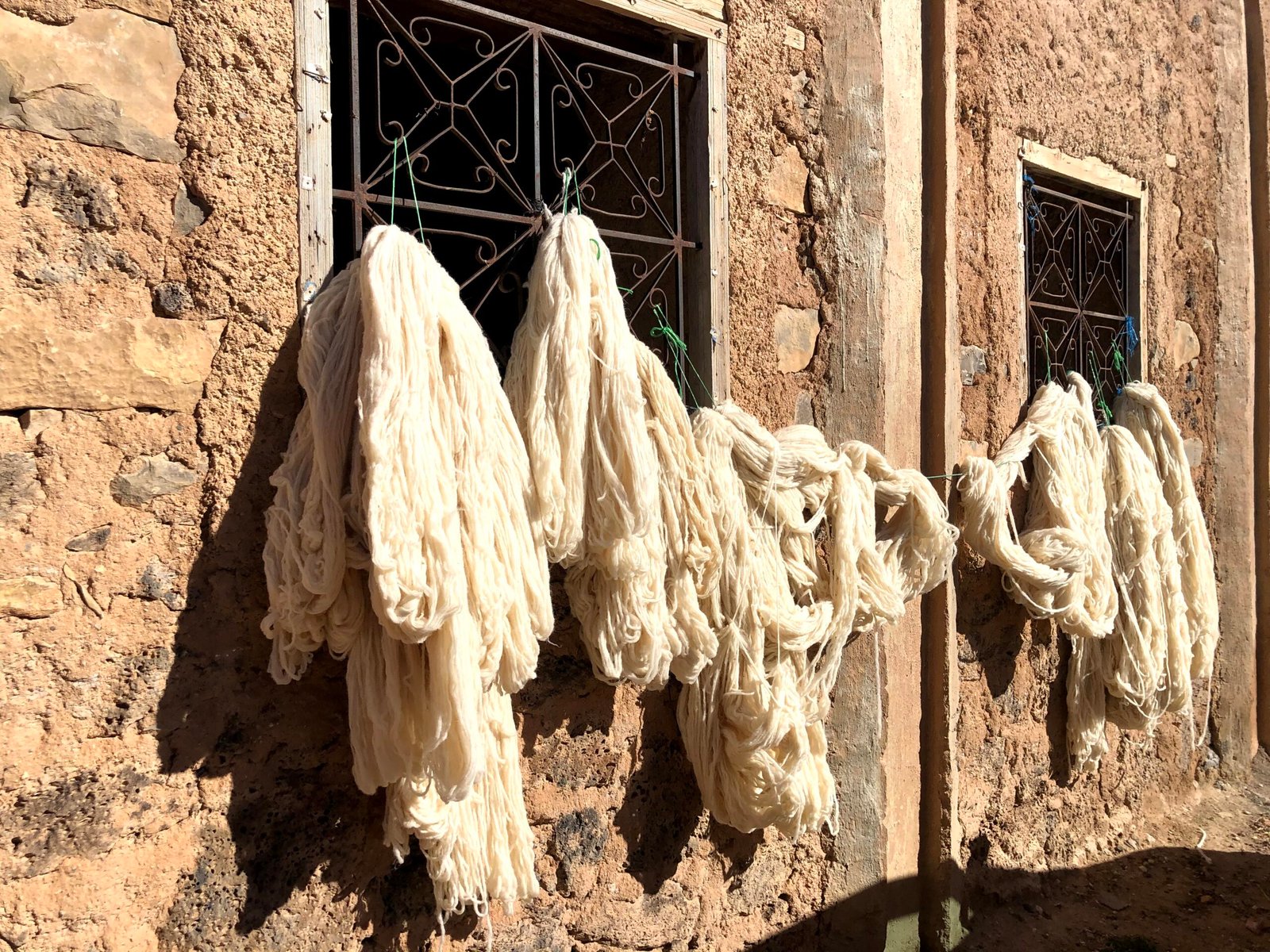
After the wool is sheared from the animal, the artisans wash, card, brush, and spin it into yarn. Every step of this process is done by hand
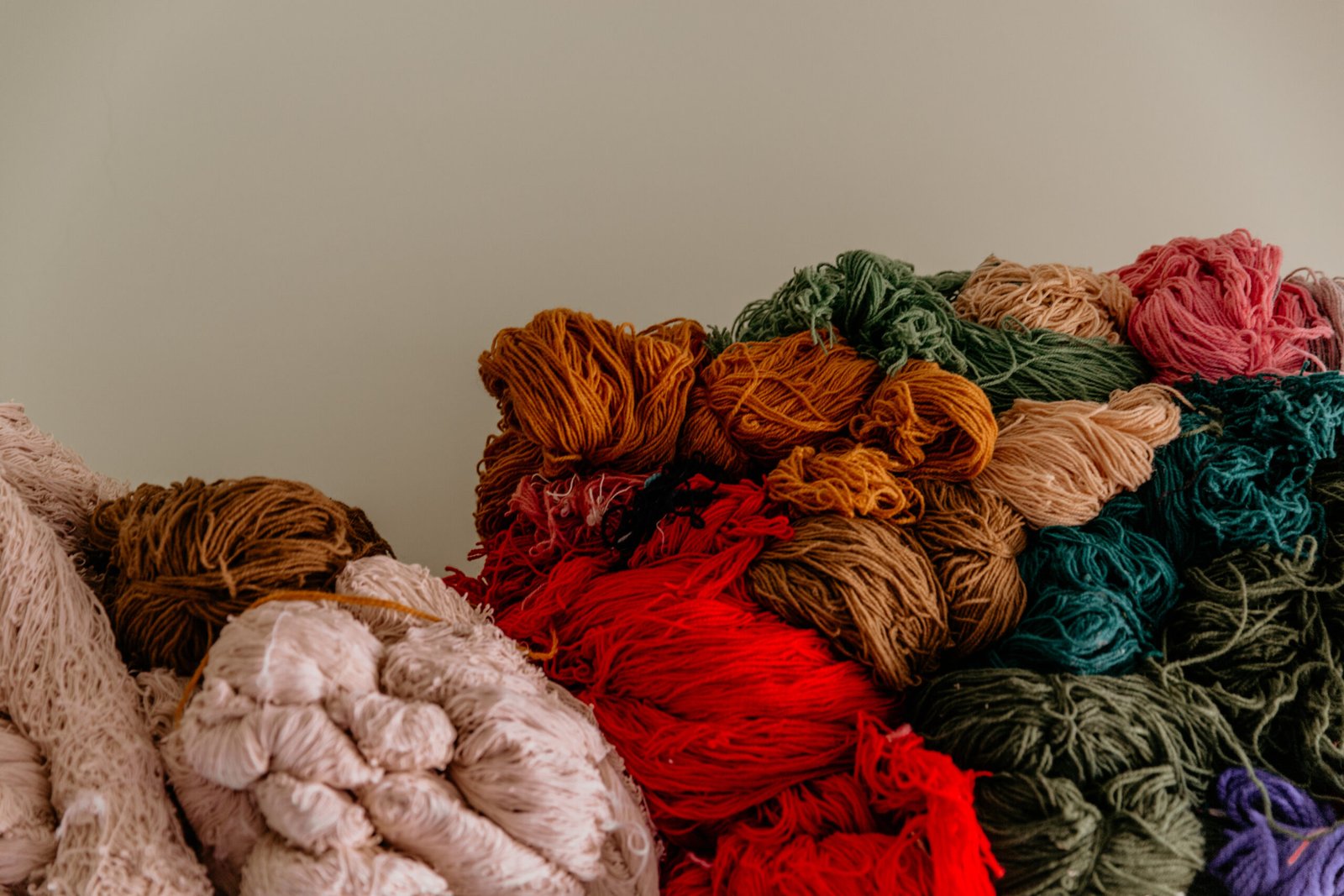
Our artisans use traditional dyeing techniques inspired by generations of craftsmanship. Depending on the design and the materials available, natural ingredients such as henna leaves, pomegranate peels, saffron, chamomile, olive leaves, and walnut peels may be used to create rich, earthy colors.
These traditional methods help give each rug its own unique character, with natural variations that are part of authentic handmade craftsmanship.
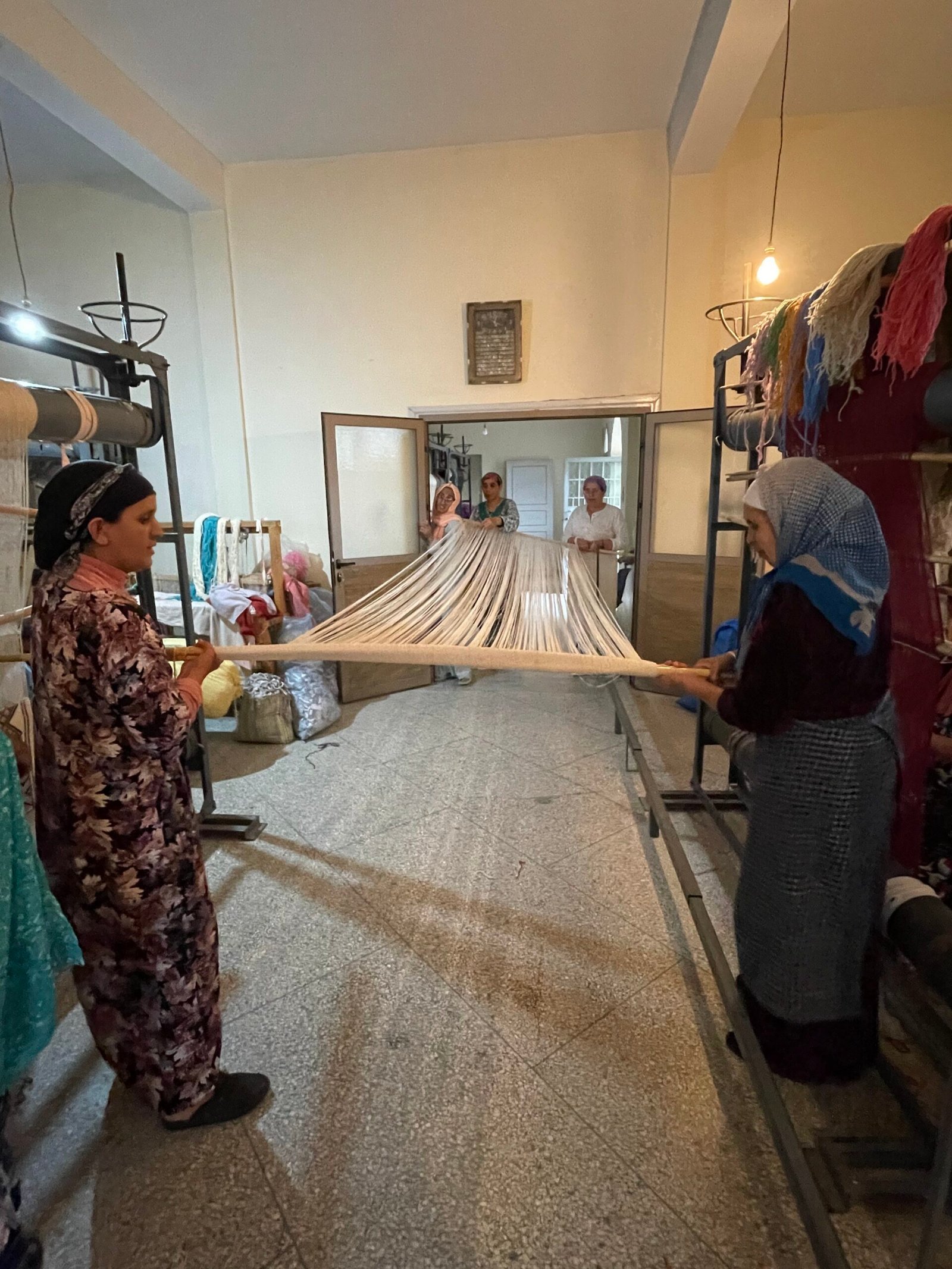
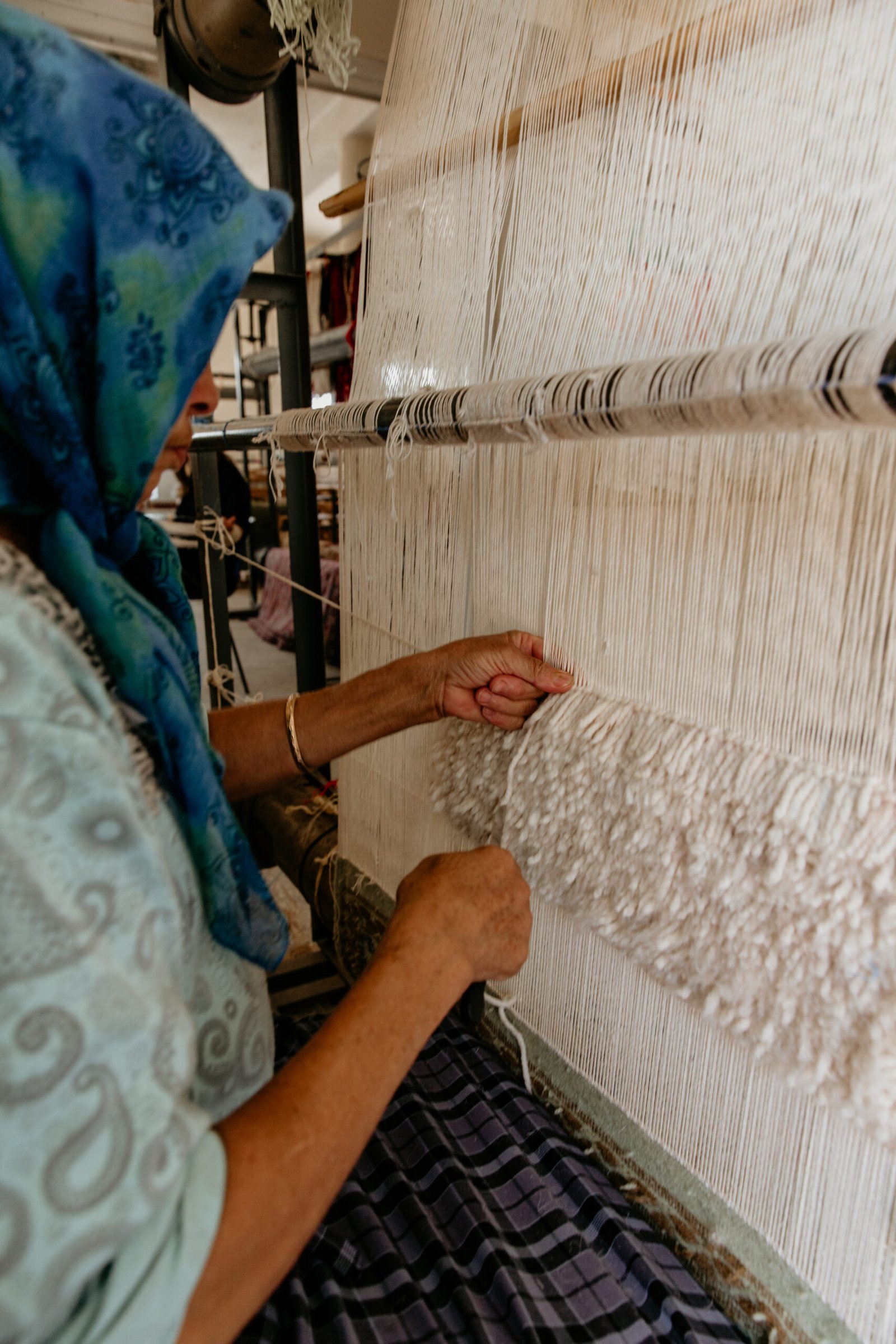
Each textile is made on a vertical loom. These looms are constructed by hand and are accompanied by traditional rituals rooted in local beliefs and customs.
One ritual involves breaking a piece of sugar against one side of the structure and placing a date on the other.
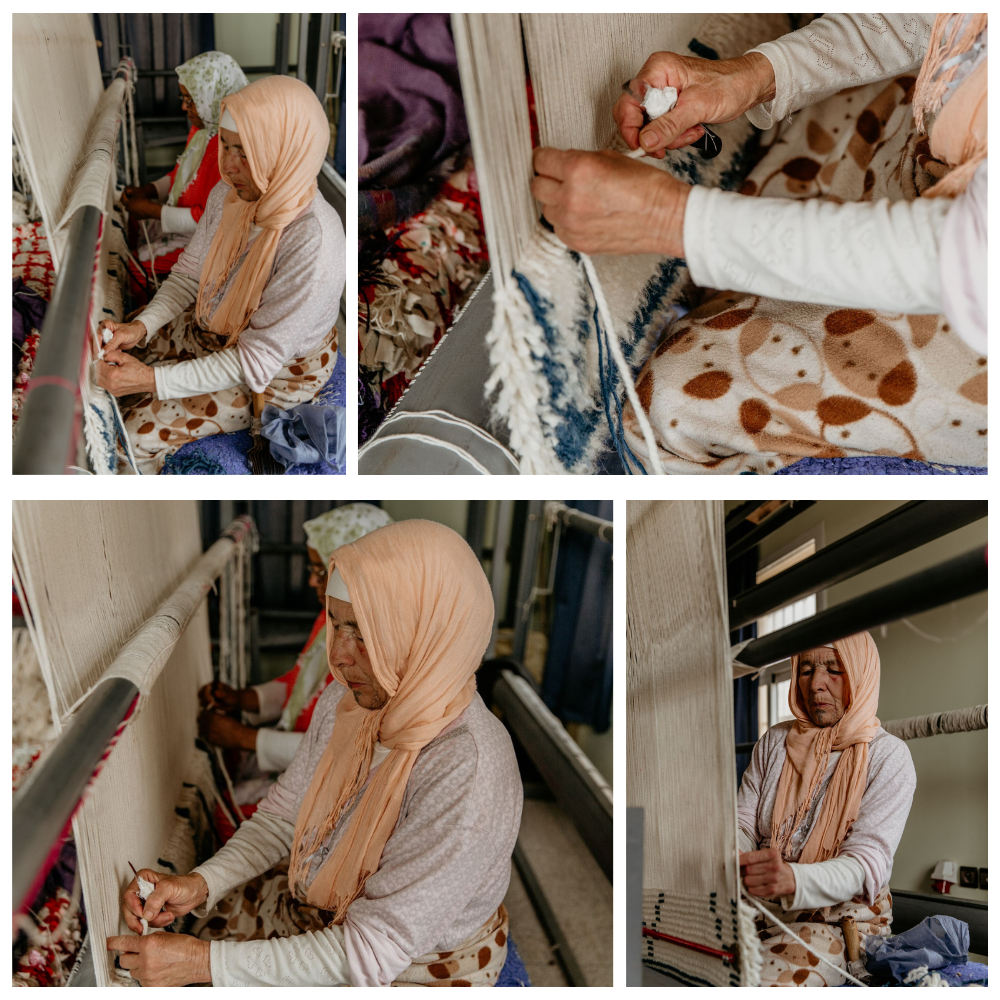
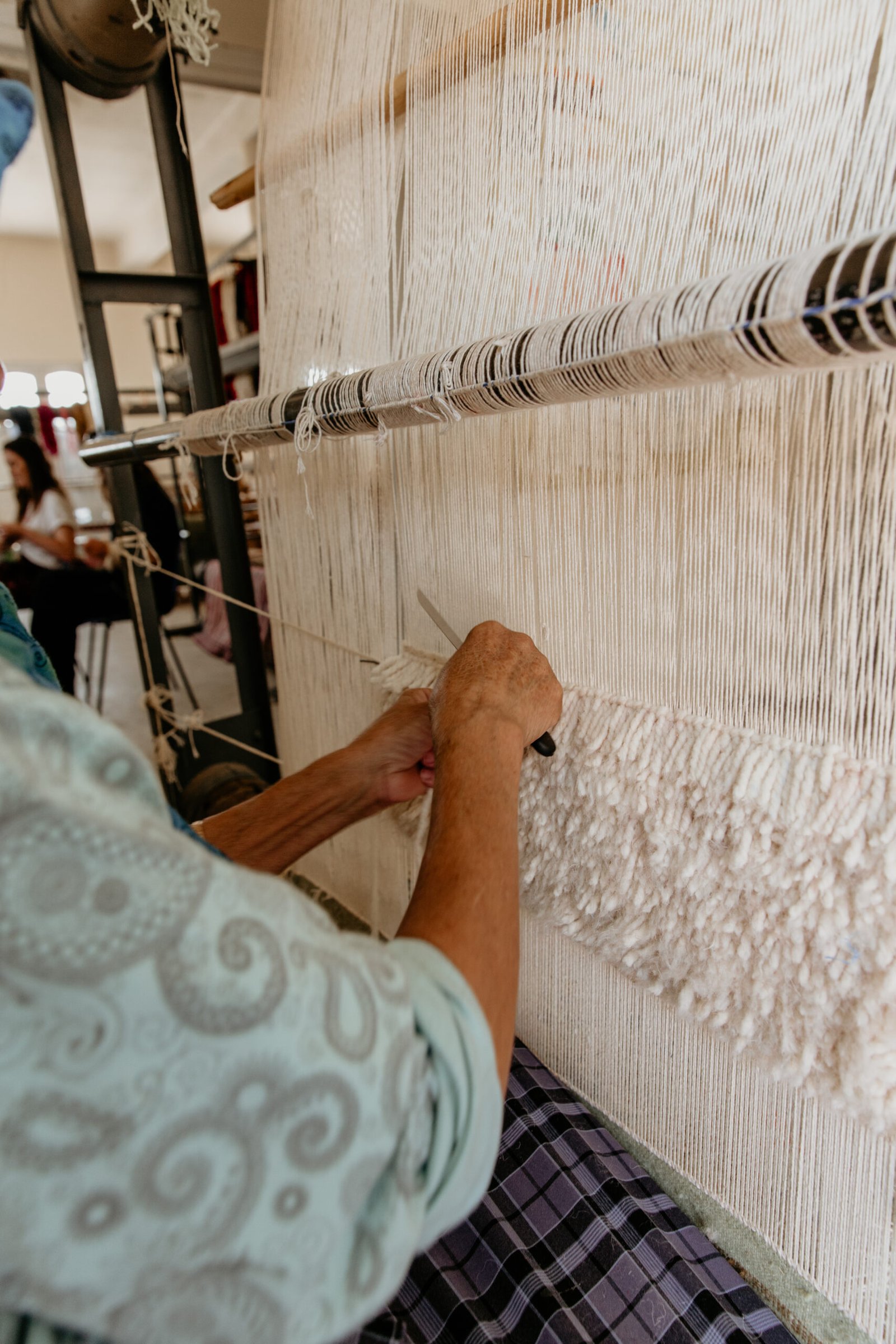
Every rug is woven by hand over several weeks. Knot by knot, our artisans shape each piece with patience, skill, and care. Because every rug is handmade, no two are exactly alike, and each one reflects the craftsmanship and tradition behind it.
Once the weave is completed, it must be removed from the loom. With tradition passed down through generations, the artisans expertly cut the rug from the loom and hand tie the tassels.
Finally, the finished rugs are washed with water, scrubbed clean, and dried in the sun
. Visit our social media to learn more about this process (Click here).